
Post
9 Stunning Classic Mechanical Watches to Instantly Upgrade Your Style
Jun
Introduction to High-End Timekeeping
The fascinating universe of horology goes far beyond simply telling time; it is a profound celebration of artistry, engineering, and personal expression. When you begin to explore the incredible world of classic mechanical watches, you are immediately transported into a realm where meticulous craftsmanship meets breathtaking aesthetics. For centuries, master watchmakers have dedicated their entire lives to perfecting the delicate balance of gears, springs, and escapements. Today, the appreciation for classic mechanical watches has reached unprecedented heights, as collectors and enthusiasts alike recognize the unparalleled beauty and sophistication inherent in these magnificent timepieces. Whether you are a seasoned collector with a vast array of high-end instruments or a newcomer looking to make your first significant acquisition, understanding the nuances of these pieces is absolutely essential. They represent not just a functional tool, but a statement of identity, a marker of monumental life achievements, and a tangible connection to a rich history of human ingenuity. Embracing classic mechanical watches means embracing a legacy of excellence.site .link
Delving into the history of these extraordinary creations reveals a timeline filled with relentless innovation and artistic breakthroughs. The evolution of classic mechanical watches mirrors the broader advancements in micro-engineering and material science over the past several centuries. Initially, timekeeping devices were bulky and notoriously inaccurate, but the relentless pursuit of perfection drove artisans to miniaturize complex mechanisms without sacrificing reliability. As you trace the lineage of classic mechanical watches, you will uncover fascinating stories of rivalries between legendary watchhouses, the introduction of revolutionary materials like silicon and titanium, and the enduring legacy of traditional finishing techniques. Each scratch on a vintage case, each faded dial, and each perfectly polished bridge tells a story of an era when things were built to last forever. This historical depth is precisely why modern iterations of classic mechanical watches continue to command such respect and admiration in today’s fast-paced, disposable digital culture.
Mastering the Art of Styling
Owning a magnificent timepiece is only part of the equation; knowing how to effortlessly integrate it into your personal wardrobe is what truly sets a stylish individual apart. The remarkable versatility of classic mechanical watches allows them to bridge the gap between formal sophistication and casual elegance with absolute ease. For highly formal occasions, such as black-tie galas or important corporate boardroom meetings, pairing your watch with a slim, high-quality alligator leather strap ensures a sleek and understated profile. The subtle glint of a polished bezel peeking out from under a tailored French cuff provides an undeniable aura of authority and refined taste. Conversely, when dressing down for a relaxed weekend getaway or a casual evening with friends, those same classic mechanical watches can be instantly transformed by swapping the formal strap for a robust stainless steel bracelet or a colorful woven NATO strap. Mastering the wearability of classic mechanical watches adds a touch of rugged, sporting charm to your everyday outfit.
Essential Care and Long-Term Maintenance
Protecting the mechanical integrity and aesthetic perfection of your horological investments requires a proactive and educated approach to maintenance. Just like a high-performance exotic sports car, the intricate micro-mechanics inside classic mechanical watches rely on synthetic lubricants that can degrade or dry out over several years. Manufacturers universally recommend submitting your timepiece for a comprehensive professional service every five to eight years. During this exhaustive process, a certified master watchmaker will completely dismantle the movement, clean every individual microscopic gear in specialized ultrasonic baths, reapply fresh lubricants, and carefully regulate the balance wheel to ensure optimal timekeeping precision. Skipping this crucial maintenance schedule can lead to severe friction damage, ultimately resulting in exorbitant repair bills. To preserve the accuracy of your classic mechanical watches, constant vigilance is required. Properly maintaining classic mechanical watches guarantees that they will continue to function flawlessly and look absolutely magnificent for decades to come, ready to be passed down as cherished family heirlooms.
Core Characteristics of Exceptional Timepieces
Before making a significant commitment to a new acquisition, it is vitally important to understand the specific attributes that separate ordinary watches from truly extraordinary ones. Here is a comprehensive list of what defines the finest horological achievements:
- In-House Calibers: The most prestigious classic mechanical watches feature movements designed, developed, and assembled entirely within the brand’s own manufacturing facilities, showcasing ultimate independence.
- Impeccable Dial Finishing: Look for intricate textures, applied indices, and flawless typography, which are universal indicators of high-quality classic mechanical watches.
- Superior Comfort: Despite their complexity, the very best classic mechanical watches are engineered with ergonomic profiles that sit perfectly flat and comfortably on the wrist.
- Advanced Luminescence: Ensuring readability in total darkness, premium luminous materials are generously applied to the hands and markers.
- Enduring Value: Driven by scarcity and immense global demand, highly coveted models often maintain or even significantly increase their financial value over time.
The Global Community of Collectors
Beyond the metal, gears, and exquisite dials, one of the most enriching aspects of collecting fine timepieces is the vibrant and passionate global community it unlocks. Around the world, enthusiasts gather in boutiques, at auction houses, and across expansive online forums to share their knowledge, debate the merits of various movements, and celebrate rare acquisitions. This shared passion transcends geographical borders, language barriers, and cultural differences, uniting individuals through a profound appreciation for mechanical artistry. Engaging with this community provides invaluable insights into the historical significance of specific models, early warnings about emerging market trends, and a platform to showcase your own carefully curated collection. Many collectors find that the friendships forged through this shared hobby are just as valuable, if not more so, than the magnificent watches they acquire. Ultimately, this sense of belonging elevates the entire experience from a solitary pursuit of luxury goods into a deeply fulfilling, lifelong cultural journey.
Embracing the Core Identity
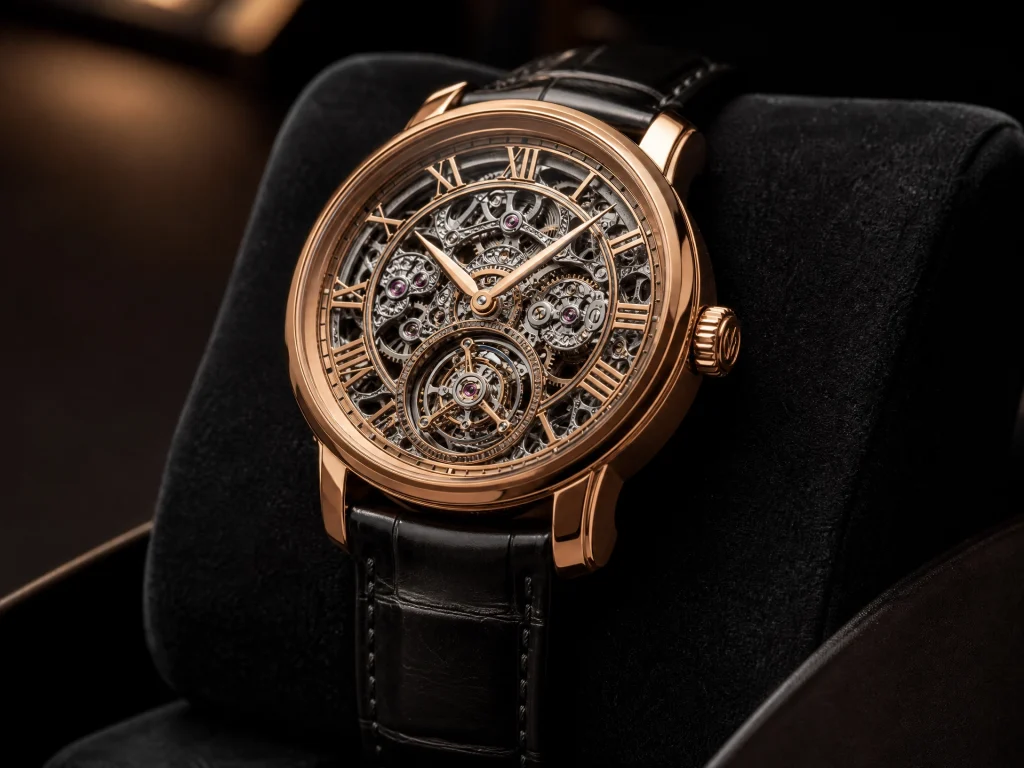
When focusing specifically on classic mechanical watches, the emphasis shifts heavily toward traditional aesthetics and pure mechanical engagement. The daily ritual of manually winding a mainspring or feeling the rhythmic spin of an automatic rotor provides a tactile connection that battery-powered devices simply cannot replicate. Enthusiasts revere classic mechanical watches for their timeless dial layouts—often featuring elegant Roman numerals, blued steel hands, and sub-second dials that harken back to the golden age of watchmaking. These elements ensure that the design remains immune to fleeting fashion trends. Furthermore, the structural integrity of classic mechanical watches relies on centuries-old mathematical principles, proving that true genius does not always require microchips. Wearing one of these masterpieces signals a deep respect for heritage. Collectors often spend years hunting for the perfect vintage or modern interpretation of classic mechanical watches, seeking out rare calibers and pristine enamel dials. In an increasingly complex digital era, the straightforward, reliable, and beautifully analog nature of classic mechanical watches provides a much-needed anchor to a simpler, more elegant past. They stand as enduring monuments to human creativity and mechanical perfection.
The allure extends into the intricate complications that these traditional timekeepers often house. Features such as moon phase indicators, perpetual calendars, and delicate tourbillons showcase the pinnacle of what can be achieved with microscopic gears and levers. These mechanical marvels require a level of skill and patience that is becoming increasingly rare in modern manufacturing. As you build your collection, the nuances between different escapement designs or the subtle variations in case finishing become a source of endless fascination. The market for vintage pieces continues to thrive, with rare references achieving staggering results at international auctions. This financial appreciation is driven by the inherent scarcity of perfectly preserved examples. Ultimately, the decision to invest in these traditional masterpieces is driven by a desire to own a piece of living history—a miniature machine that beats with a heart of its own, serving as a constant companion through life’s defining moments.
